
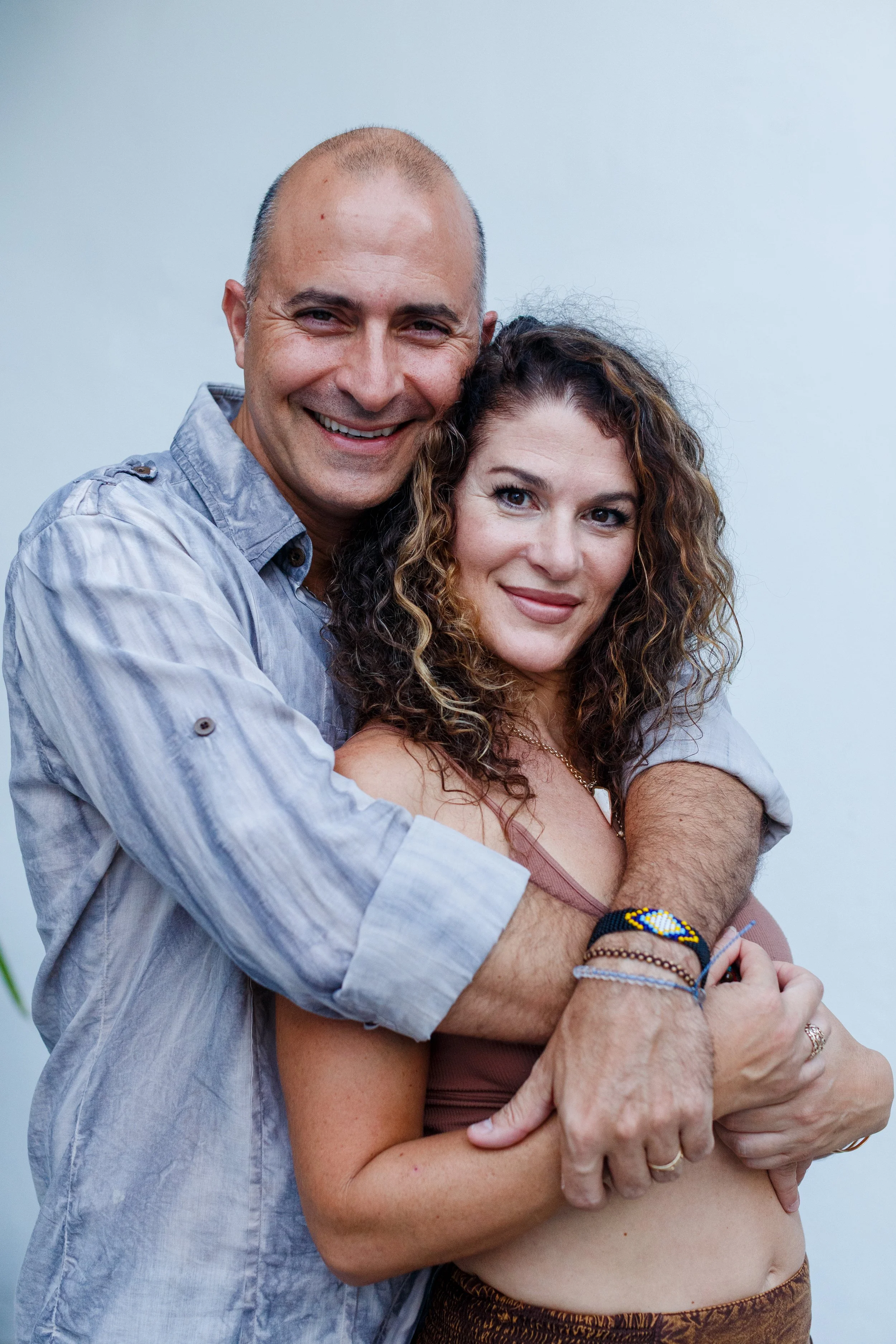
Say It Well
Tell Your Partner You Want to Open your Relationship
(without hurt, panic or drama)
Any of this sound familiar?
You love your partner, you cherish what you have and don't want to lose it. But there’s something you’ve been wanting to express… and you have no idea how to bring it up without causing fear, conflict, or misunderstanding.
You’ve rehearsed different versions of this conversation in your head.
You’ve worried about how they'll take it.
You’ve wondered if being honest will destabilize everything.
You don’t want to lose your person, but life's short and there's more to explore.

Studies show that nearly 20% of adults have tried some form of consensual non-monogamy in their lifetime.
You're not alone.
The real question is, are you ready to have this pivotal conversation?
It’s what people hope openness might give them: more freedom, more ease, and a deeper, more honest connection with the person they love.

I’ve lived this path myself. My partner and I have been in an open marriage for 13 years, raising kids, running businesses, and choosing each other fully while also allowing space for identity, desire, and growth.
The biggest gift hasn’t been the external experiences - it’s the internal ones. The feeling of being a free, self-expressed person inside a relationship where you’re supported, not constrained.
You may have already tried the following and found it didn’t work
Dropping hints and hoping they’ll “get it”
Bringing it up casually and watching them shut down
Trying to suppress the desire and pretend it’s gone
Googling scripts that don’t fit your relationship
Talking to friends who have strong opinions but no real expertise
Reading books but not knowing how to translate the theory into a real conversation
Avoiding the topic altogether because you don’t want to trigger fear or conflict

There’s a “right” way to have this pivotal conversation
There’s a clear, thoughtful way to have this conversation that reduces anxiety, prevents reactivity, and protects your bond.
Once you understand the structure and emotional strategy, based on 4 key tenets, the entire process becomes far less scary.
If these methods didn’t work for you, it’s not your fault!
Most people were never taught how to talk about sensitive topics - especially ones that touch identity, desire, and long-standing relationship norms.
You’re navigating something emotionally complex with no roadmap. Of course it feels overwhelming.
You get one real shot at this conversation, and how you handle it will shape your relationship for years to come. With a clear method and an experienced coach guiding you, the process shifts from risky to genuinely exciting.
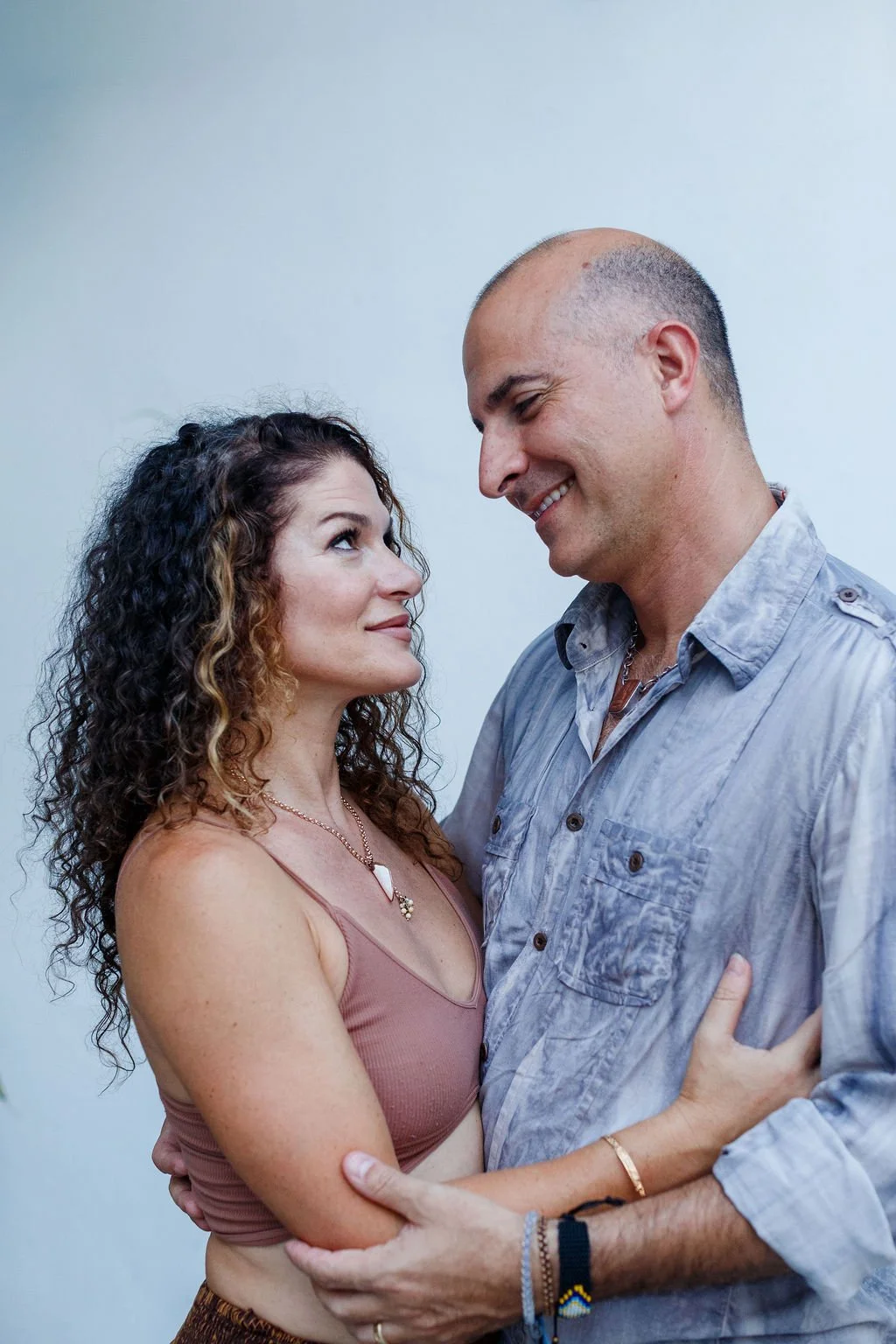

How to Tell Your Partner You Want to Open the Relationship
(Without Hurt, Panic, or Drama)
A guided, step-by-step process to help you express your desires while keeping your relationship stable, connected, and secure This program shows you:

how to respond to difficult questions without spiraling
how to prepare yourself emotionally
what to say (and what not to say)
how to choose the right moment
how to avoid triggering insecurity
how to keep the conversation collaborative
how to preserve trust and closeness throughout the process
Here are some of the skills you’ll learn:
How to regulate your nervous system so you don’t ramble, say the wrong thing or trigger threat in your partner
How to anticipate and respond to common fears (“Am I not enough?”, “Will I lose you?”)
How to communicate desire without implying dissatisfaction
How to use structure and pacing so the conversation feels safe
How to move slowly, collaboratively, and without pressure
How to keep your partner feeling chosen and secure
How to co-design what comes next, at a pace that feels good for both of you
How to stay connected even when emotions come up
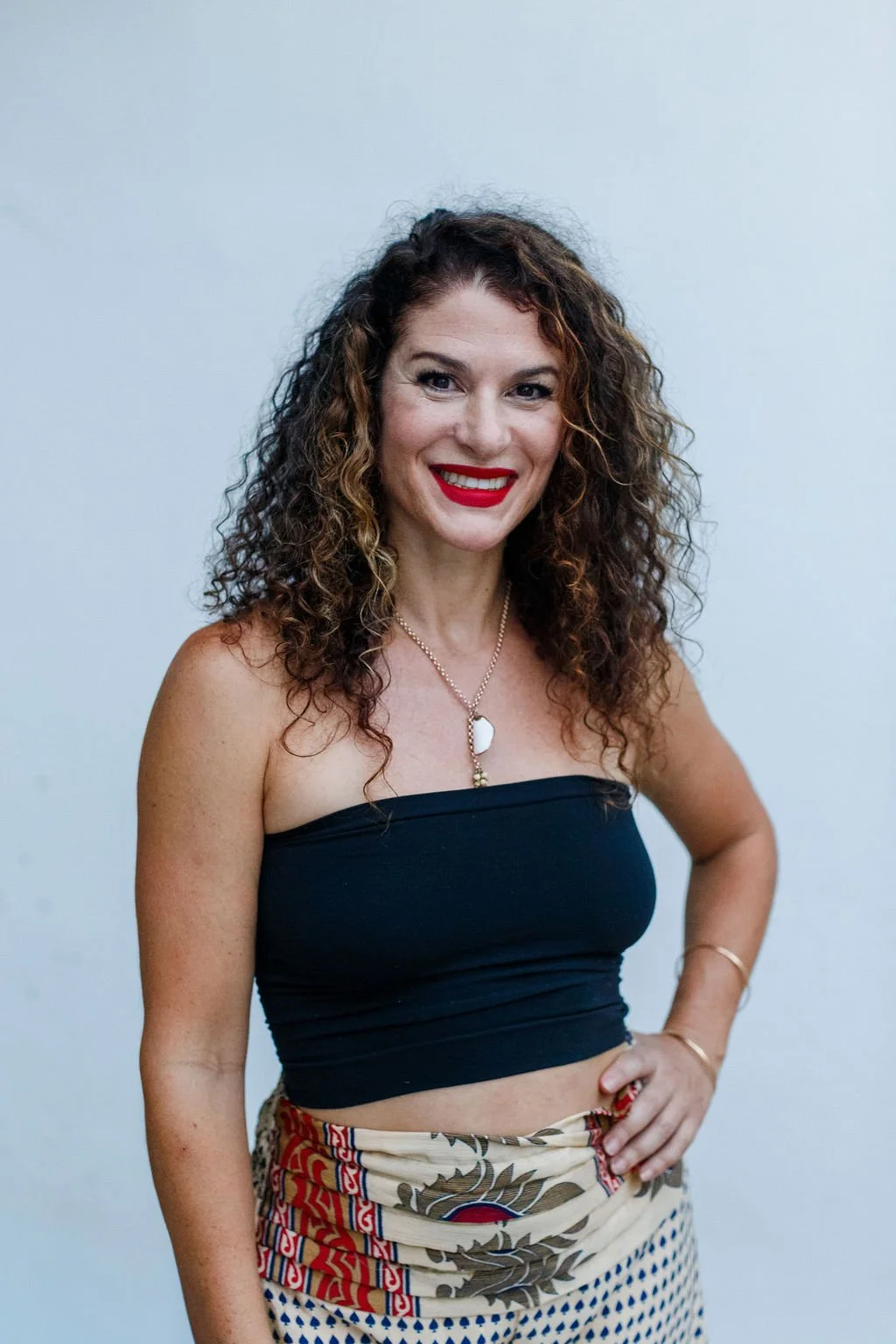
I’m Chloe!
I’ll be your guide.

I’m a licensed PQ and relationship coach, with degrees in Psychology from UC Berkeley (BA) and Columbia (MA). I help people quiet self-sabotage and thrive in open, honest love.
I believe relationships should expand you and that the uncomfortable moments often hold the doorway to deeper intimacy and freedom.
What do you want to create?
Together, we’ll uncover what you truly desire, quiet the inner (and outer) naysayers, and create the relationship you’ve been dreaming of with stability and everyone’s feelings well cared for.
It’s time to write your own love story.
Here’s what we’ll be doing week by week…
We’ll work on your timeline, but most people need one month. You’ll be on your way to co-designing an exciting new reality with your partner. This tailored, four-step approach will help you have a loving, non-threatening conversation that protects your bond.
1. Clarity + Foundation
Get clear on *why* this matters to you
Understand your partner’s likely perspective
Learn the four core tenets that keep the conversation safe and anchored
Build emotional regulation skills so you can stay steady
2. Script + Strategy
Create a personalized script that sounds like you
Practice saying it so you feel confident and calm
Anticipate questions, fears, and resistance
Learn a proven approach for answering *anything* without triggering defensiveness
More regulation techniques to keep both of you out of threat mode
3. After the Conversation
Unpack what happened
Rebuild safety and connection
Stabilize emotions on both sides
Learn how to keep communication open without pressure
4. Looking Ahead
Explore what “next” looks like, thoughtfully and slowly
Support for designing next steps (or choosing none)
Stay aligned, connected, and intentional in whatever direction you choose together
What & how long…
We'll have four calls, two before and two after your talk. Typically this takes a month but we can adjust the timeline as needed.
Success in our clients' words
-
![A man and woman smiling together outdoors during sunset near a body of water.]()
“Before coaching, we frequently had intense fights. However, after working with Chloe, the passion and connection that originally brought us together returned.”
-
![A woman with short curly dark hair smiling outdoors among green leaves, holding a large yellow hibiscus flower with pink center.]()
“In 3 months working with Chloe, I made more progress than in years of therapy”
-
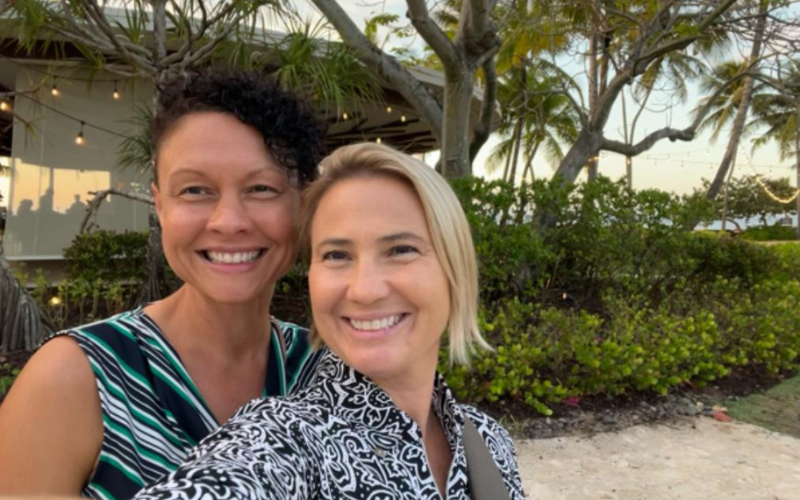
![Two women smiling outdoors during the daytime, with trees, bushes, and a building with string lights in the background.]()
“Just a handful of coaching sessions with Chloe have been more helpful to us than YEARS of therapy with three different therapists!! No Joke.”
-
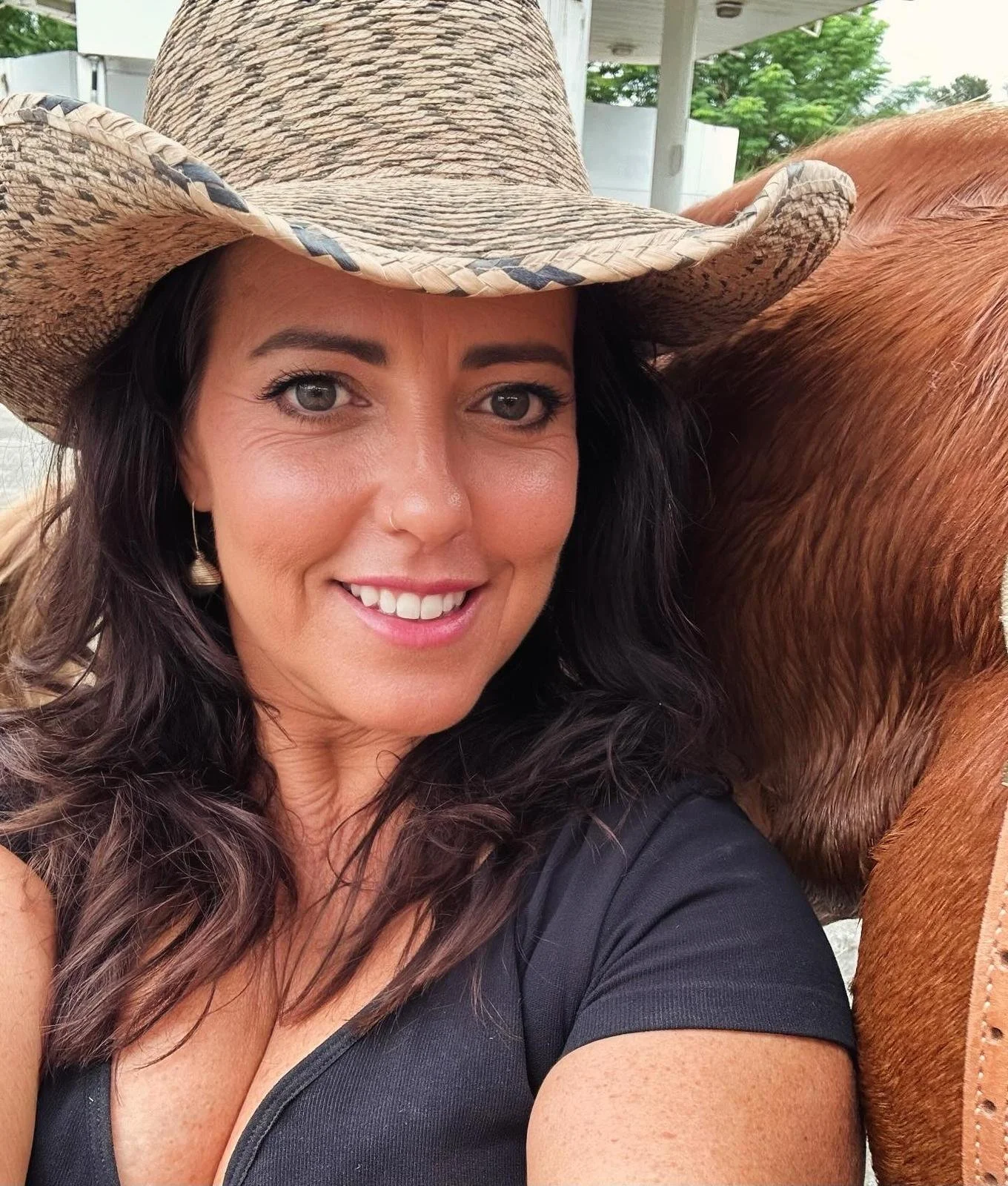
![A woman with dark wavy hair smiling in a cowboy hat, standing next to a brown horse.]()
Chloe was a great help in navigating the early stages of my new ENM relationships.

This Program Is or Isn’t for You if:
This Program Is for You If…
You love your partner deeply and want to keep your relationship strong
You have a desire, curiosity, or identity truth you want to share without causing harm
You’ve been holding this inside and feel the emotional weight of it
You want to communicate with honesty and compassion
You want support navigating your partner’s fears, questions, and emotional responses
You want more freedom and more connection - not one at the expense of the other
You’re willing to move slowly, intentionally, and with respect
This Program Is Not for You If…
You’re ambivalent about your relationship or looking for an exit
You want a fast pathway to date others regardless of your partner’s feelings
You’re hoping this conversation will “fix” a fundamentally unstable relationship
You’re unwilling to consider your partner’s emotional reality or pace
You want me to convince your partner for you
How to Tell Your Partner You Want to Open the Relationship
(Without Hurt, Panic, or Drama)
Investment: $1400
This short coaching package gives you the structure, scripts, emotional support, and exact tools you need to talk with your partner about opening up, without creating distance or damage. Step toward co-creating something new and exciting, keeping your bond safe.
Frequently Asked Questions
Still have questions? Take a look at the FAQ or reach out anytime. If you’re feeling ready, feel free to contact us.
-
No. And if that’s the goal, this isn’t a fit.
This work is about how you speak and the only outcome we really strive for is speaking your truth while protecting your bond, regardless of whether you get a yes, no or maybe. Interestingly, this approach is also the likeliest way to get a happy Yes from your partner, but we don’t push for it.
You’ll learn how to express a desire without threat, coercion, or collapse, and how to protect trust even when the answer is no or not yet.
-
That fear is realistic, and it’s exactly why preparation matters.
You’ll learn:
how to regulate yourself before, during and after the conversation
how to recognize when your partner is flooded
knowing what to say in the event of any question or reaction your partner may have
how to pause without retreating or escalating
how to respond in ways that reduce harm rather than compound it
This isn’t about controlling their reaction. It’s about being prepared with the most compassionate, thoughtful words and mindset to hold your partner and regulate yourself through a difficult conversation. Then, clarity and care can guide the process.
-
“No” doesn’t automatically mean the end of closeness, or even this exploration. How you respond to “No” matters enormously.
You’ll learn how to:
respond without bargaining, collapsing, or punishing
keep the door open without pressuring
protect emotional safety even while holding your truth
over time, discern what this desire means for you and your relationship
This work helps prevent one hard moment from quietly becoming years of distance, or worse, separation.
-
That’s one of the most common places people begin. You don’t need a clear vision of the structure or outcome yet. What matters is that your values are becoming clear. Honesty, integrity, closeness, freedom and care, for example.
You’ll work through:
what this desire actually points to
what’s curiosity, what’s identity, and what’s an unmet need
what you are and are not asking your partner for
So when you speak, you’re not offloading confusion onto the relationship.
Even if you don’t yet know exactly where this leads, you’ll know whether it’s worth exploring, and you’ll know how to begin that exploration with care and intention.
-
No.
Much of the most important work happens before your partner is involved:
clarifying intent
regulating fear and preparing for smooth communication
identifying unsafe phrasing
understanding your partner’s likely perspective, sensitivities, and fears
choosing timing, pacing, and framing
If and when your partner joins, it’s done intentionally, not reactively.
-
You’ll be guided through:
clarifying your desire without self-betrayal or entitlement
understanding your partner’s likely reactions, insecurities, perspectives, and fears
identifying the highest-risk moments in the conversation and how to navigate them
learning consent-forward, non-threatening language that protects the bond
drawing from five pillars to respond to any hard questions or feelings that arise
preparing for multiple possible responses (yes, no, maybe, panic)
Plus:
creating and practicing scripts tailored to you and your partner’s specific dynamics
support for regulating yourself during and after the conversation
guidance on what to do next, depending on how the conversation lands
-
No. This is coaching.
We’re not diagnosing or excavating your childhood.
We’re working with:
real-world conversations
careful navigation of relational risk
and we’re focusing our attention forward, to a future that feels connected and free
Sure, we’ll talk about upbringing and role models, culture, attachment styles and certain other things therapists tend to focus on, but our work is essentially grounded on what’s needed now and how to create and move towards a desired future. This work is practical and relational.
-
Extremely. This process is confidential.
I understand that this process is private, and that you may have been researching quietly without your partner’s knowledge. Carrying that alone can feel heavy. I’m here to help you move from secrecy into honest, ethical communication that protects your relationship.
-
Pre “The Talk”, people experience:
relief from carrying this alone
confidence that they can speak without causing harm
a plan for how and when to approach their partner
stronger self-trust, regardless of outcome
less urgency, more steadiness
Post “The Talk”
integration coaching for you (and your partner, if desired)
a clear next direction, whether it’s reconsidering your relationship as a closed or open container
guidance and resources to start thinking about your new life, if you both choose to move forward with opening
This isn’t about guaranteeing a yes. It’s about speaking in a way you can live with, and staying connected to your partner afterward.
Paradoxically, removing pressure is what most often creates genuine openness. When a partner feels safe, curiosity and enthusiasm are far more likely to emerge.
And if that happens, it helps to have guidance: where to begin, what common blind spots to avoid, what to do, and what not to do. I support you through this process without overwhelm, so you’re not navigating it alone.